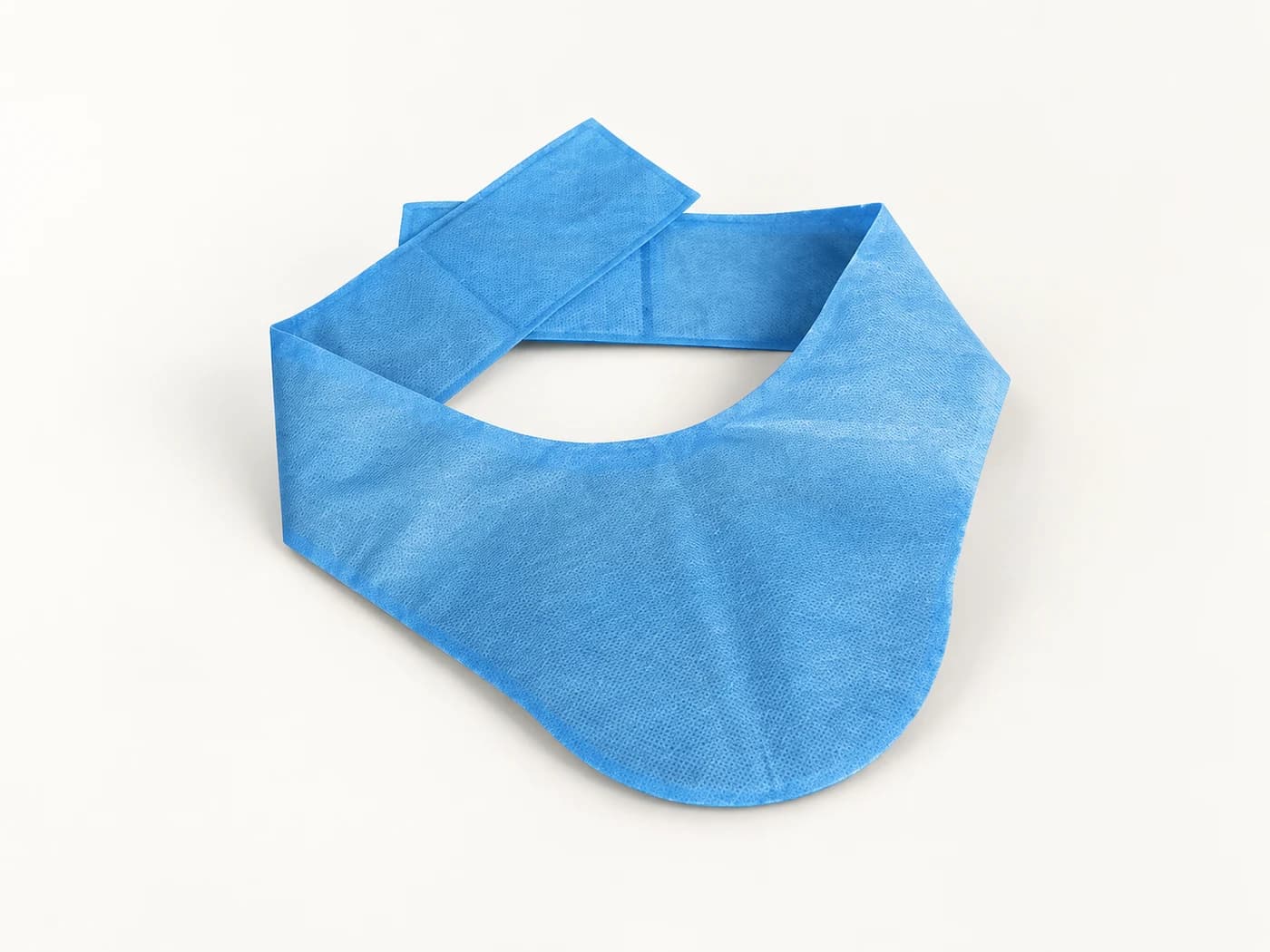

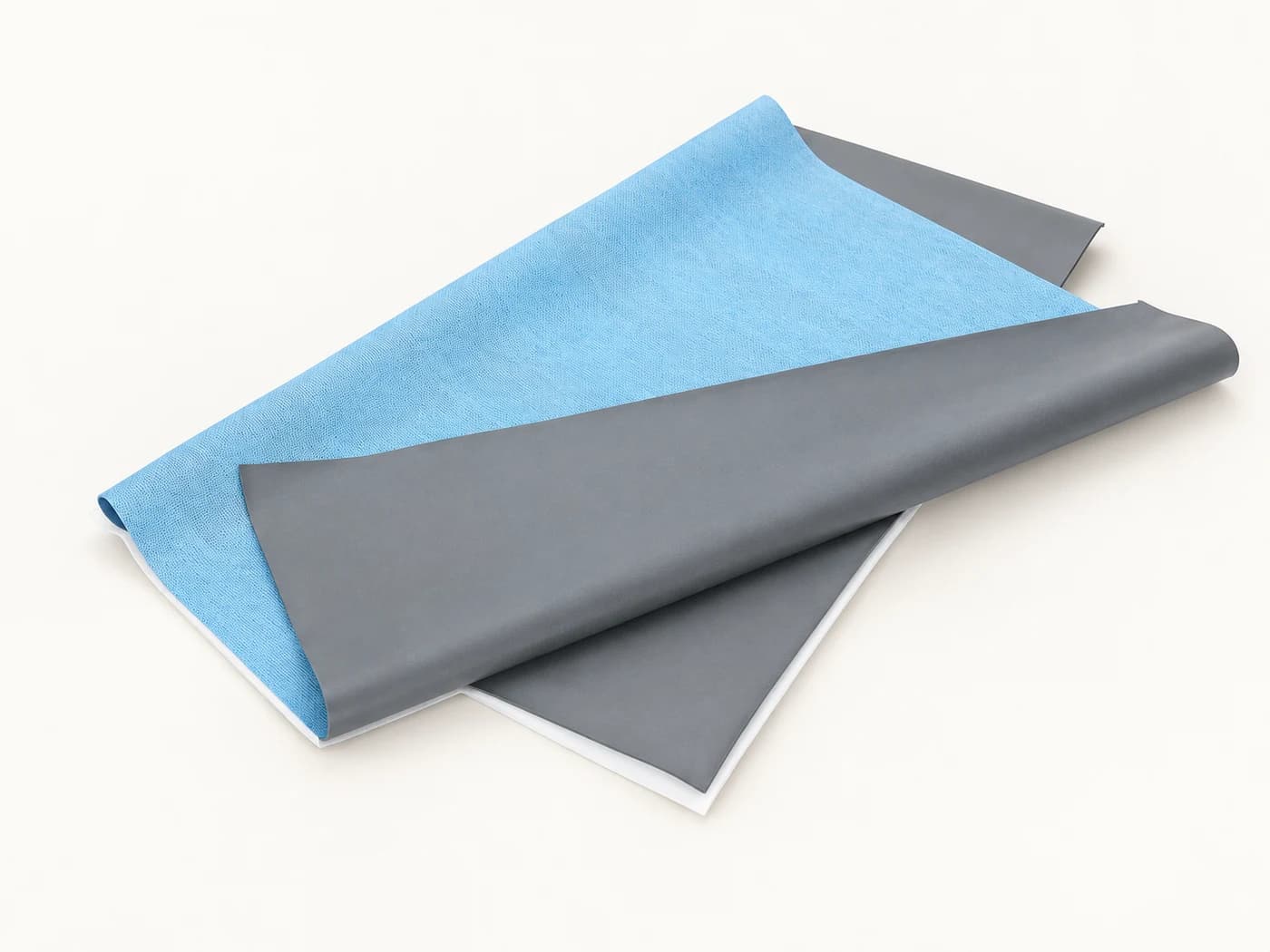
Scatter protection drapesRendering based on product reference

RADBAR / DISPOSABLE

Scatter protection drapes

Radbar-Smart disposable drapes using aluminum and bismuth shielding materials. Placement and suitability must follow the applicable product instructions and clinical equipment workflow.

Lead-free materialSingle useCustom sizes

Product specifications

Core materials
Aluminum / Bismuth
Listed sizes
300 × 300 to 600 × 800 mm
Use
Single use
Packaging
Request sterile packaging documentation

Source: manufacturer product literature linked above. Confirm current model, test conditions and supply specification for your order.

01 / PRODUCT INSIGHT

From material to application.

Radbar-Smart is a disposable scatter-protection drape based on aluminum and bismuth shielding materials. The brochure describes individually sterile-packed drapes for interventional procedures, with standard and custom sizes. Placement must follow the supplied instructions and the imaging workflow.

01

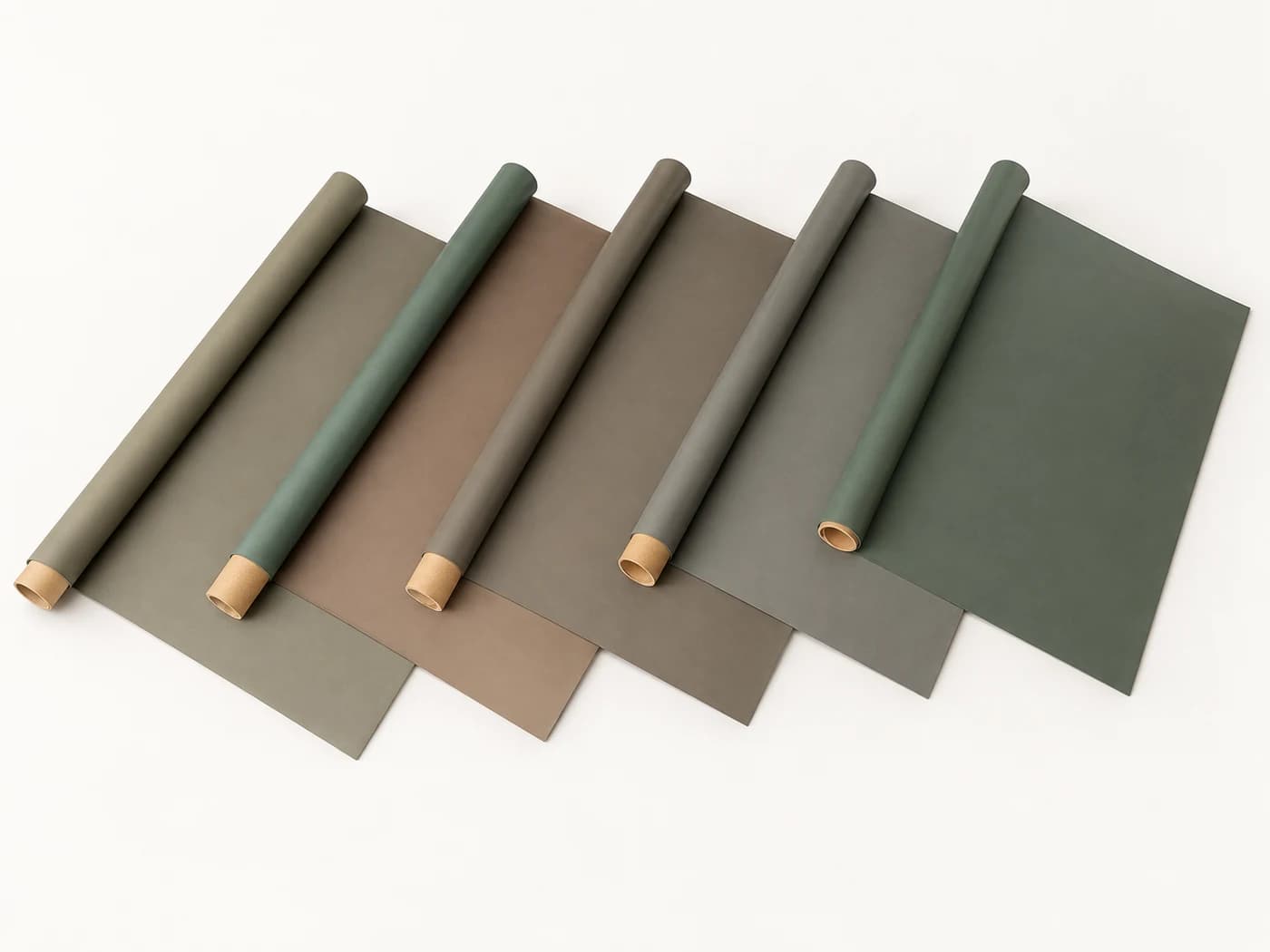
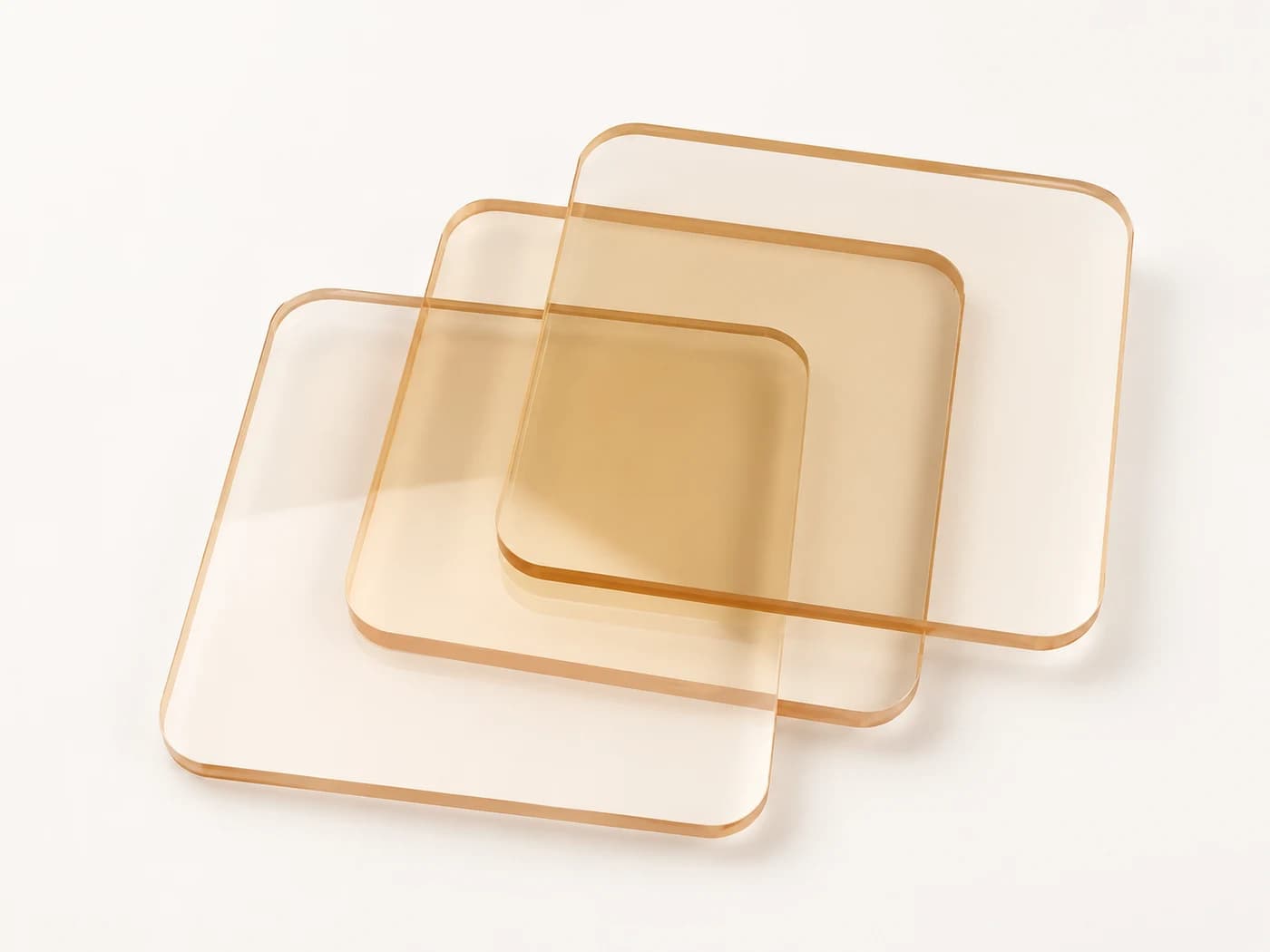
Aluminum and bismuth construction

The manufacturer describes aluminum as contributing to low-energy X-ray absorption and bismuth as addressing scattered radiation and secondary fluorescence. The combined effect depends on material arrangement and beam conditions.
02

Single-use workflow

The drape is described as disposable and individually sterile packed. Confirm sterile status, packaging integrity, shelf life and handling instructions for the supplied product.

03

Procedure-specific coverage

Five rectangular sizes are listed, with custom sizes available. Match the drape to access points, the image field and the procedure rather than selecting only by area.

02 / TECHNICAL DATA

Models, values and their conditions.

Transcribed from manufacturer literature, with source references and conditions kept alongside each table.

Catalog sizes
OptionWidth × length (mm)
01300 × 300
02300 × 400
03400 × 600
04600 × 600
05600 × 800
CustomConfirm by drawing
Source: Medical X-Ray Shielding — Disposable Products, page 1 · 2509
Reported scatter-attenuation condition
Catalog statementListed beam condition
Greater than 60% attenuation80 kVp

Manufacturer-reported literature value. The supplied page does not give a complete measurement geometry. It is not a universal operator or patient dose-reduction percentage, and is not an image-quality guarantee.

Source: Medical X-Ray Shielding — Disposable Products, page 1 · 2509
03 / APPLICATIONS

Where it fits

  • Scatter protection around interventional radiology workflows, where the product instructions permit.
  • Procedure-specific drape layouts coordinated with imaging and sterile-field requirements.
DESIGN REFERENCE

Design the opening around the working area.

The August 2024 blanket presentation illustrates rectangular forms, circular and rectangular apertures, U-shaped cut-outs and slits. Discuss access position, instrument clearance, coverage and placement when defining the shape; confirm intended use and positioning against product instructions.

01

Coverage: define the area to cover and the working space to retain.

02

Access and placement: supply an aperture layout and fixing details; coordinate imaging and sterile-field requirements.

03

Dimensions and editions: historical examples include 37×42, 28×41 and 35×45 cm. They are not mapped to the 2509 catalog models above.

Source: MEDICAL RADIATION PROTECTIVE BLANKET 202408, slides 8–9. Illustrated forms do not establish current orderable models; confirm the drawing, availability and applicable documentation when enquiring.

04 / SELECTION QUESTIONS

A closer look at your specification.

Does the reported attenuation mean staff dose always falls by the same percentage?

No. Staff dose also depends on placement, exposure settings, patient geometry and other shielding. Evaluate the intended setup with the equipment and radiation-protection team.

Can the drape be cleaned and reused?

The catalog describes this product as single use. Follow the supplied instructions for handling and disposal; do not infer reusability from the material’s appearance.

SOURCE LITERATURE

Medical X-Ray Shielding — Disposable Products

Manufacturer literature · referenced pages 1 · edition 2509

Selection notes explain the literature and do not replace model-specific instructions, test reports or project design.

View full PDF

Related materials

APPLICATION ANIMATION / INTERVENTIONAL IMAGING

See scatter. Understand the shielding drape.

An interventional X-ray scene illustrates scatter direction, layered materials and drape placement. A 37-second silent excerpt with English and Chinese explanatory captions.

Explore scatter drapes and specifications ↗
Read the animation explanation
  1. Source, patient and operator positions define exposure geometry in interventional X-ray imaging. Interactions with matter can scatter radiation in multiple directions.
  2. The animation illustrates layered drape materials; Radbar-Smart literature identifies aluminum and bismuth. This is distinct from the rare-earth/bismuth construction described for medical core materials.
  3. Shape, apertures and coverage should suit the working area. Follow model-specific instructions and validated conditions for placement, intended use and performance.

LET’S ENGINEER WHAT’S NEXT

Your application. Our next conversation.

Share your equipment, radiation conditions and design constraints. Start with a material decision grounded in evidence.