

Optical choices across six grades
Listed light transmission ranges from 93% for C-2 to 87% for C-12. Select thickness and shielding grade together with viewing-area and support requirements.
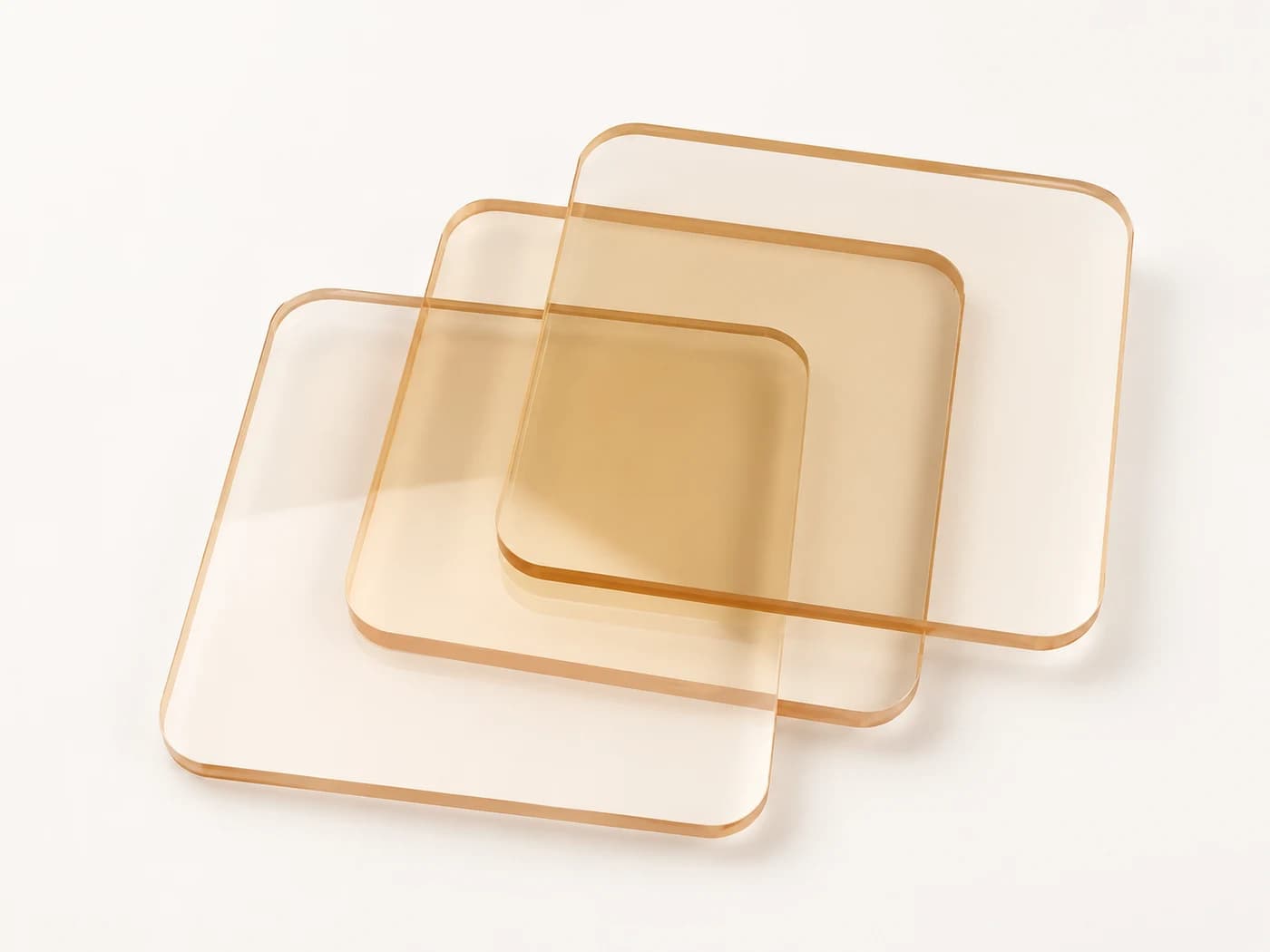 Rendering based on product reference
RADBAR / PANELS
Lead-containing transparent acrylic for viewing windows, mobile barriers and custom-machined shielding components. Balance optical performance, thickness and structural support by model.
Lead-containing shieldingOptically transparentMachinableSource: manufacturer product literature linked above. Confirm current model, test conditions and supply specification for your order.
Transparent, lead-containing acrylic combines a viewing function with radiation shielding. Six thickness grades serve windows, barriers and machined components. The source provides optical, shielding, mechanical and weight data so designers can evaluate more than transparency alone.
Listed light transmission ranges from 93% for C-2 to 87% for C-12. Select thickness and shielding grade together with viewing-area and support requirements.
The brochure describes processing with standard plastic-handling techniques. Confirm tool choice, edge finish, hole locations and tolerances for the supplied grade.
Listed sheet sizes are 600 × 800 mm and 1000 × 1200 mm, with custom cutting. Example components include viewing panes and rings for medical equipment.
Transcribed from manufacturer literature, with source references and conditions kept alongside each table.
| Model | Lead equivalence (mmPb) | Thickness (mm) | Light transmission | Areal weight (kg/m²) |
|---|---|---|---|---|
| C-2 | 0.07 | 2 ± 0.25 | 93% | 3.2 |
| C-3 | 0.125 | 3 ± 0.25 | 92% | 4.8 |
| C-6 | 0.25 | 6 ± 0.4 | 91% | 9.5 |
| C-8 | 0.3 | 8 ± 0.5 | 90% | 12.7 |
| C-10 | 0.4 | 10 ± 0.5 | 89% | 15.8 |
| C-12 | 0.5 | 12 ± 0.7 | 87% | 19 |
| Model | Flexural strength (MPa) | Flexural modulus (MPa) | Izod impact (kJ/m²) | Tensile strength (MPa) |
|---|---|---|---|---|
| C-2 | 52 | 1624 | 12 | 36 |
| C-3 | 55 | 1740 | 12 | 36.4 |
| C-6 | 59 | 1852 | 12 | 37.5 |
| C-8 | 63 | 1964 | 12 | 38 |
| C-10 | 66 | 2098 | 11 | 40.2 |
| C-12 | 70 | 2304 | 10 | 43 |
These are manufacturer catalog values. The supplied page does not specify the complete mechanical test protocols; request them for structural calculations or acceptance criteria.
Source: Medical X-Ray Shielding — Clear Lead Acrylic, page 2 · 2509| Model | Value as printed |
|---|---|
| C-2 | 77.41 |
| C-3 | 85.54 |
| C-6 | 92.6 |
| C-8 | 95.86 |
| C-10 | 97.1 |
| C-12 | 98.6 |
The source heading is “Attenuation at 100 kVp”, but the column omits a unit and full geometry. Values are preserved as printed, without adding a percent unit or extending them to other beam conditions. Confirm the test report before specification.
Source: Medical X-Ray Shielding — Clear Lead Acrylic, page 2 · 2509No. This is a lead-containing transparent shielding product. It should be specified separately from Radbar’s lead-free composite families.
Thickness changes shielding, light transmission and mass. Select the required radiation performance first, then check support loads, viewing quality and machining requirements for that model.
Manufacturer literature · referenced pages 1–2 · edition 2509
Selection notes explain the literature and do not replace model-specific instructions, test reports or project design.
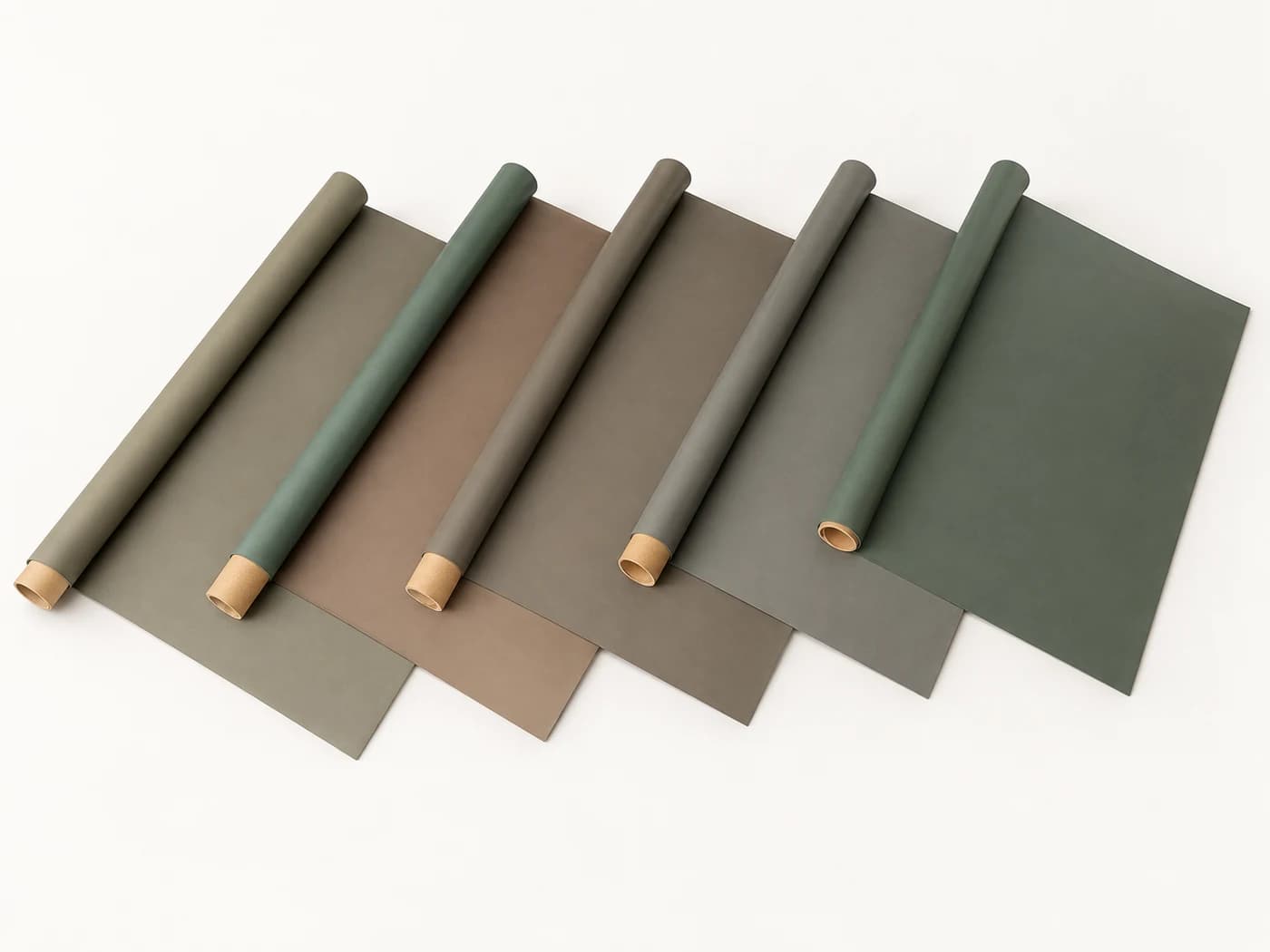 Material illustration
OEM materials / Six series
Flexible. Formable. Purpose-engineered.
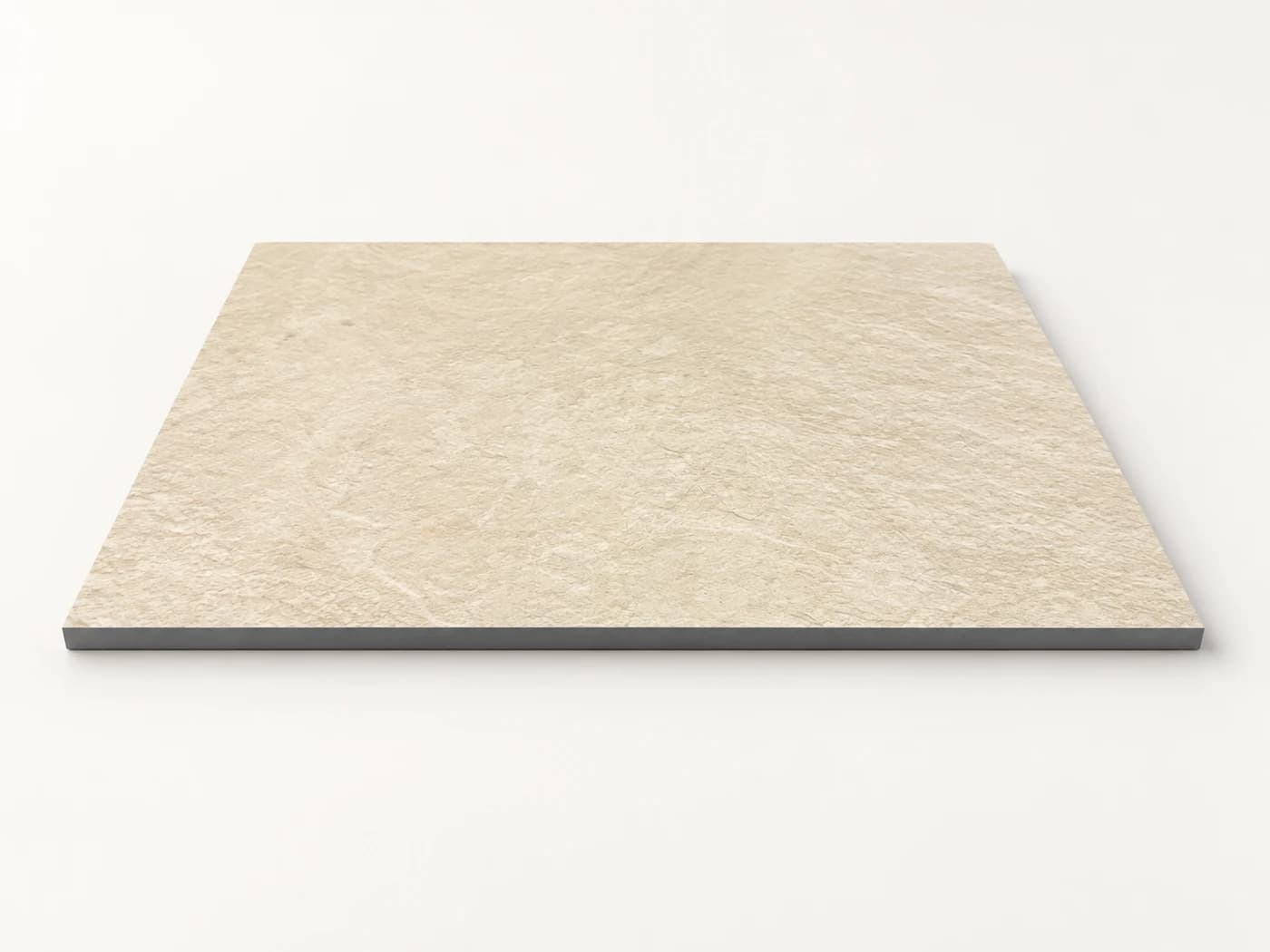 Material illustration
Decorative finishes / Building integration
Protection, built into the finish.
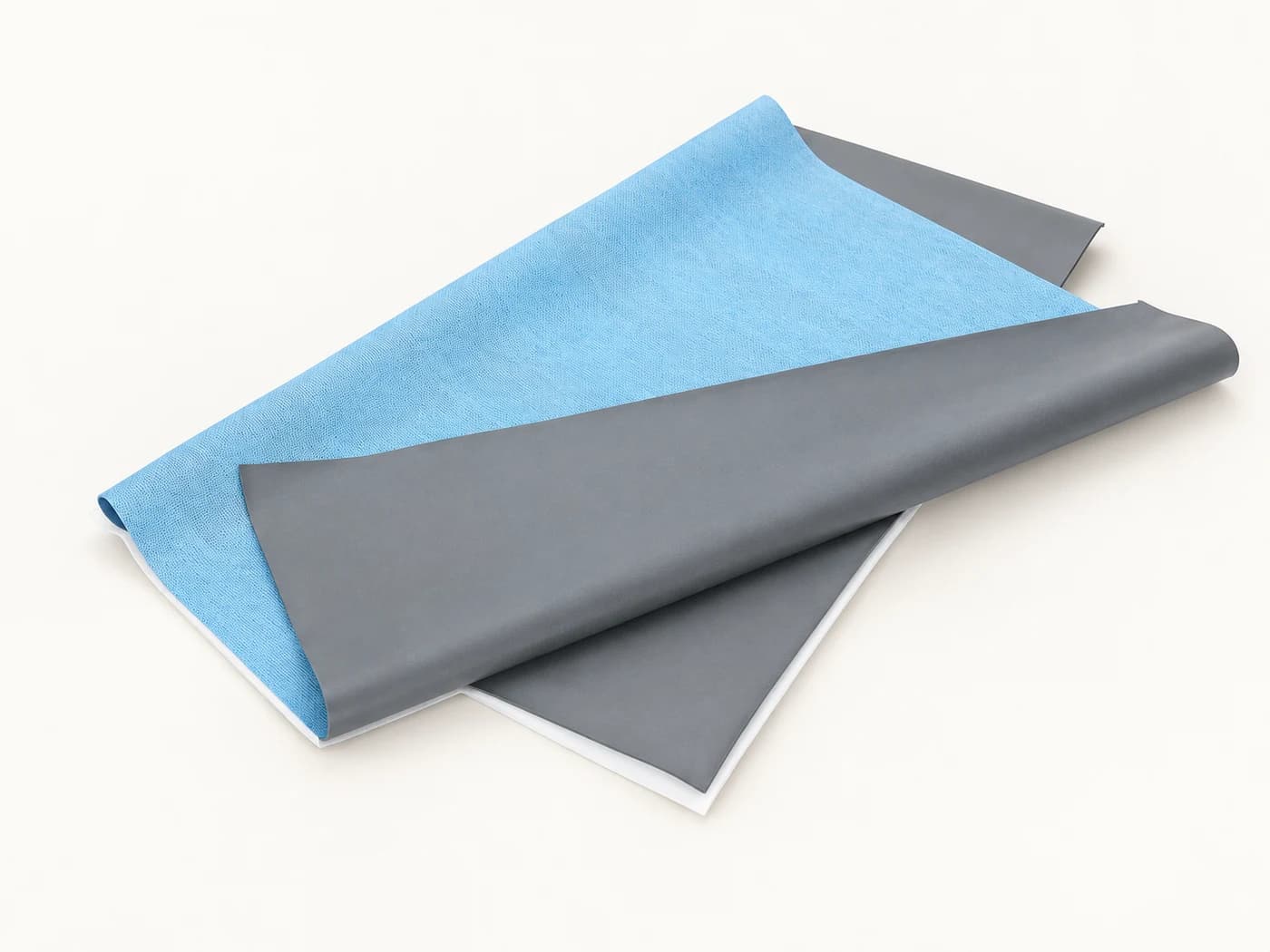 Material illustration
Single use / Custom sizes
Protection around the procedure.
LET’S ENGINEER WHAT’S NEXT
Share your equipment, radiation conditions and design constraints. Start with a material decision grounded in evidence.